Delhi High Court Dismisses Revenue’s Appeal in Boeing’s Case; Assessment Order Held Void Ab Initio

The Hon’ble Delhi High Court dismissed the Revenue’s Appeal, holding that the final assessment order dated March 30, 2021, was void ab initio as the same was issued in the name of the erstwhile amalgamating entity before amalgamation, i.e., Boeing International Corporation India Private Limited (BICIPL), instead of the amalgamated entity named Boeing India Private Limited (BIPL).

The assessee had informed the Revenue about the factum of amalgamation vide reply to Notice under Section 142(1) of the Act, wherein the information regarding amalgamation was given by the amalgamated entity. Despite the Revenue having information about the amalgamation, the final assessment order was passed in the name of the amalgamating entity (BICIPL).

The Hon’ble Delhi High Court dismissed Revenue’s appeals while upholding the ITAT’s decision in quashing the final assessment order and held that in tax matters, there has to be a consistent level of certainty, as departing from the same would only give rise to incertitude, which needs to be avoided.

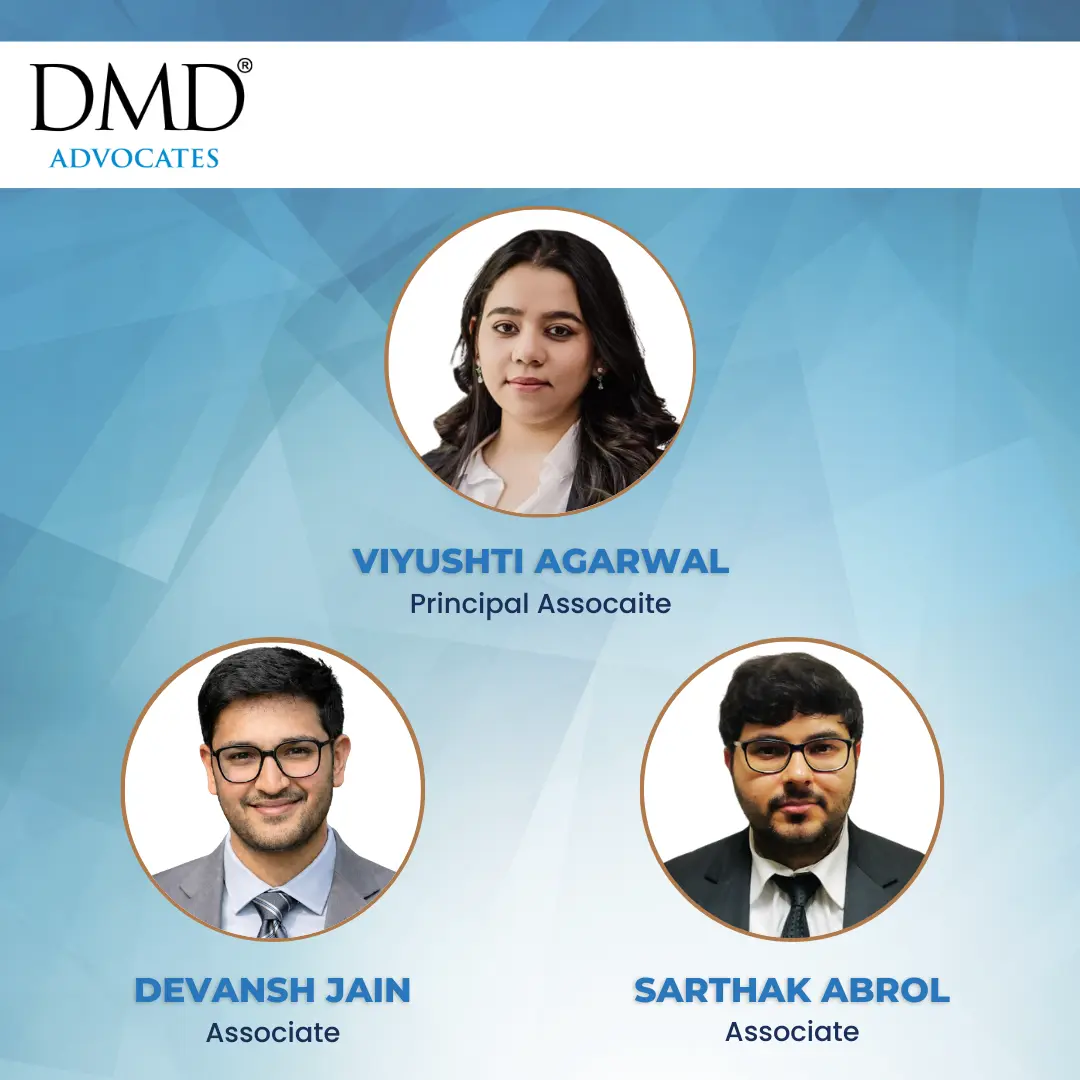
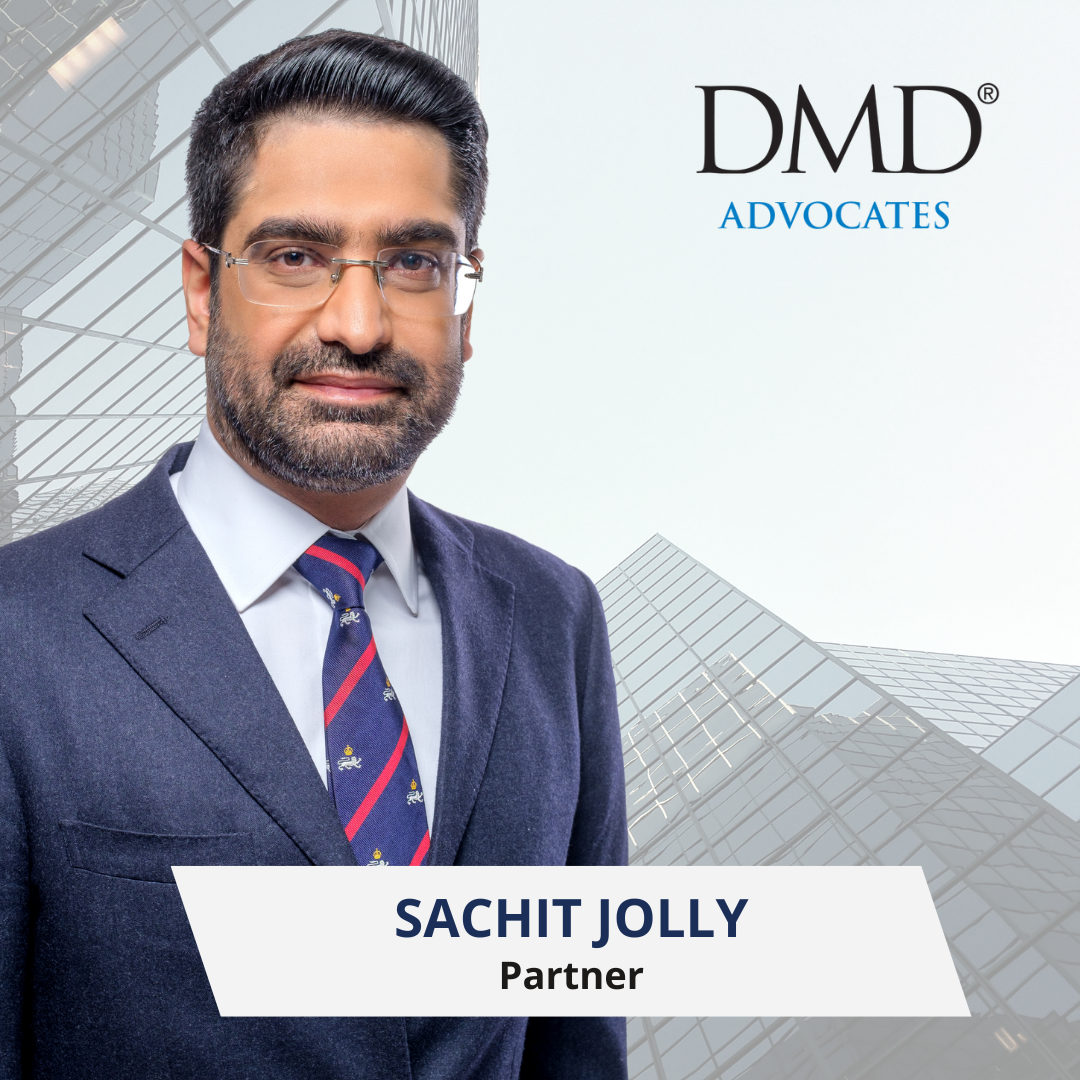
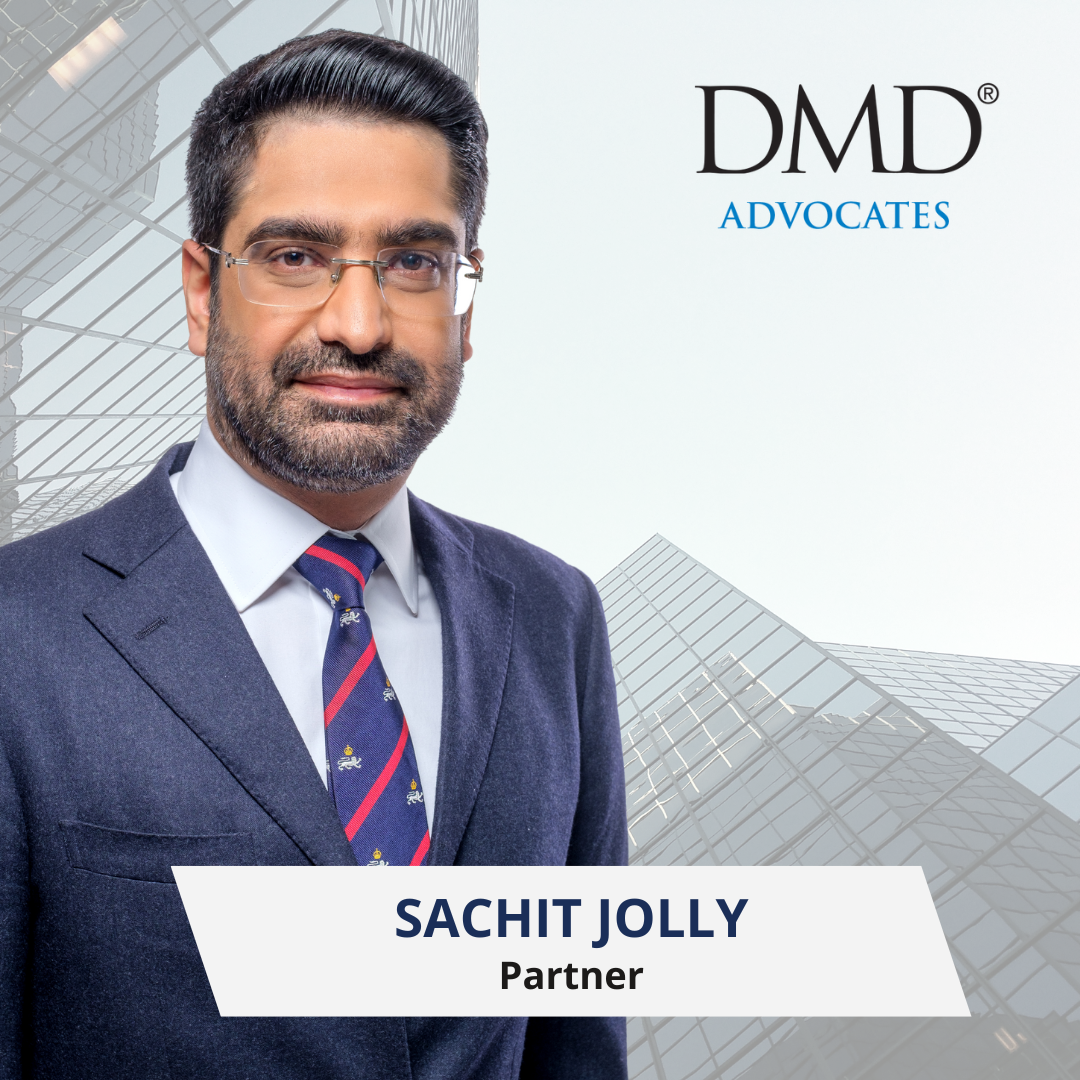
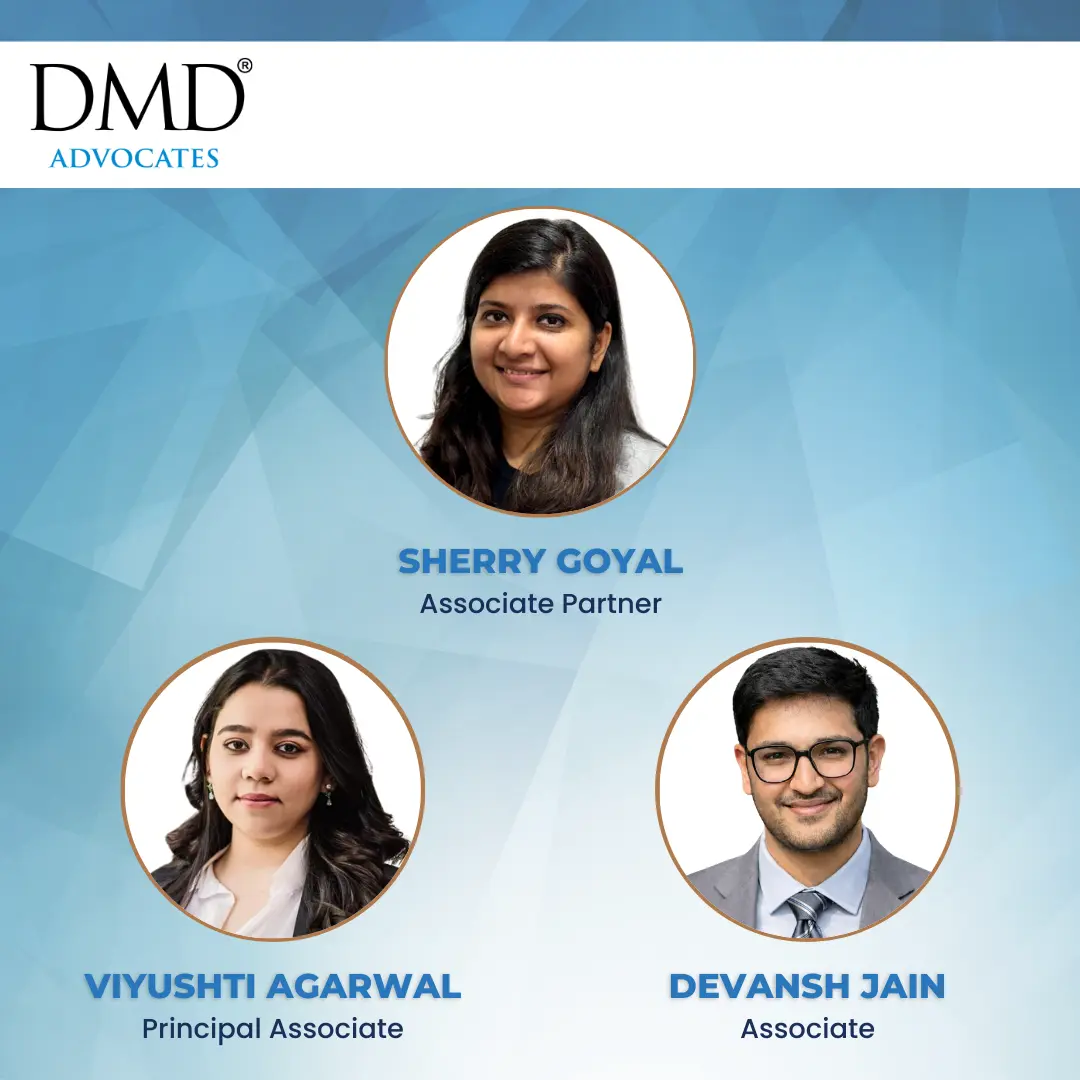
The Respondent, Boeing India Private Limited, was represented by Senior Advocate Sachit Jolly along with DMD Advocates led by Sherry Goyal, Viyushti Agarwal, and Devansh Jain.

NCLT Ahmedabad Bench Reaffirms Limits on Suspended Board’s Locus in CIRP; Upholds Financial Debt Classification

The Hon’ble National Company Law Tribunal, Ahmedabad Bench, vide order dated February 26, 2026, dismissed an Interlocutory Application filed by the suspended director and shareholder of the Corporate Debtor in an ongoing Corporate Insolvency Resolution Process (CIRP). The application sought, inter alia, the removal of Respondent Nos. 2 to 4 from the Committee of Creditors (CoC), challenging the categorization of their claim as “financial debt.” The Hon’ble Tribunal upheld the classification of the claims of Respondent Nos. 2 to 4 as “financial debt” within the meaning of Section 5(8) of the Insolvency and Bankruptcy Code, 2016 (IBC), and consequently upheld their inclusion in the CoC.

At the threshold, the Hon’ble Tribunal reiterated the settled legal position that upon initiation of CIRP, the powers of the Board of Directors stand suspended and the management of the Corporate Debtor vests in the Resolution Professional (RP). The suspended management is not entitled to interfere in the day-to-day conduct of the CIRP or in the commercial decisions taken by the CoC. The Tribunal held that the Applicant lacked locus standi to challenge the categorization of the claims of Respondent Nos. 2 to 4. It further observed that the IBC provides specific remedies and delineates limited grounds for judicial interference. An application seeking to assail commercial or procedural steps, absent any demonstrated statutory breach, would not be maintainable.

On the issue of classification of the claims of Respondent Nos. 2 to 4, the Hon’ble Tribunal held that where parties have consciously structured their exposure as a repayable financial obligation, it would not be appropriate to disregard such characterization. The existence of a structured repayment obligation with interest constitutes a key indicator of the “time value of money.” The Tribunal observed that even if the original advances were linked to project execution, the subsequent agreements clearly reflected an intention to convert the existing exposure into a structured financial obligation. The liability was no longer contingent upon the performance of contractual milestones. Such restructuring, voluntarily undertaken by the parties, demonstrated that the exposure had assumed the commercial character of borrowing. Upon examining the material on record, the Hon’ble Tribunal concluded that the statutory ingredients of “financial debt” stood satisfied.

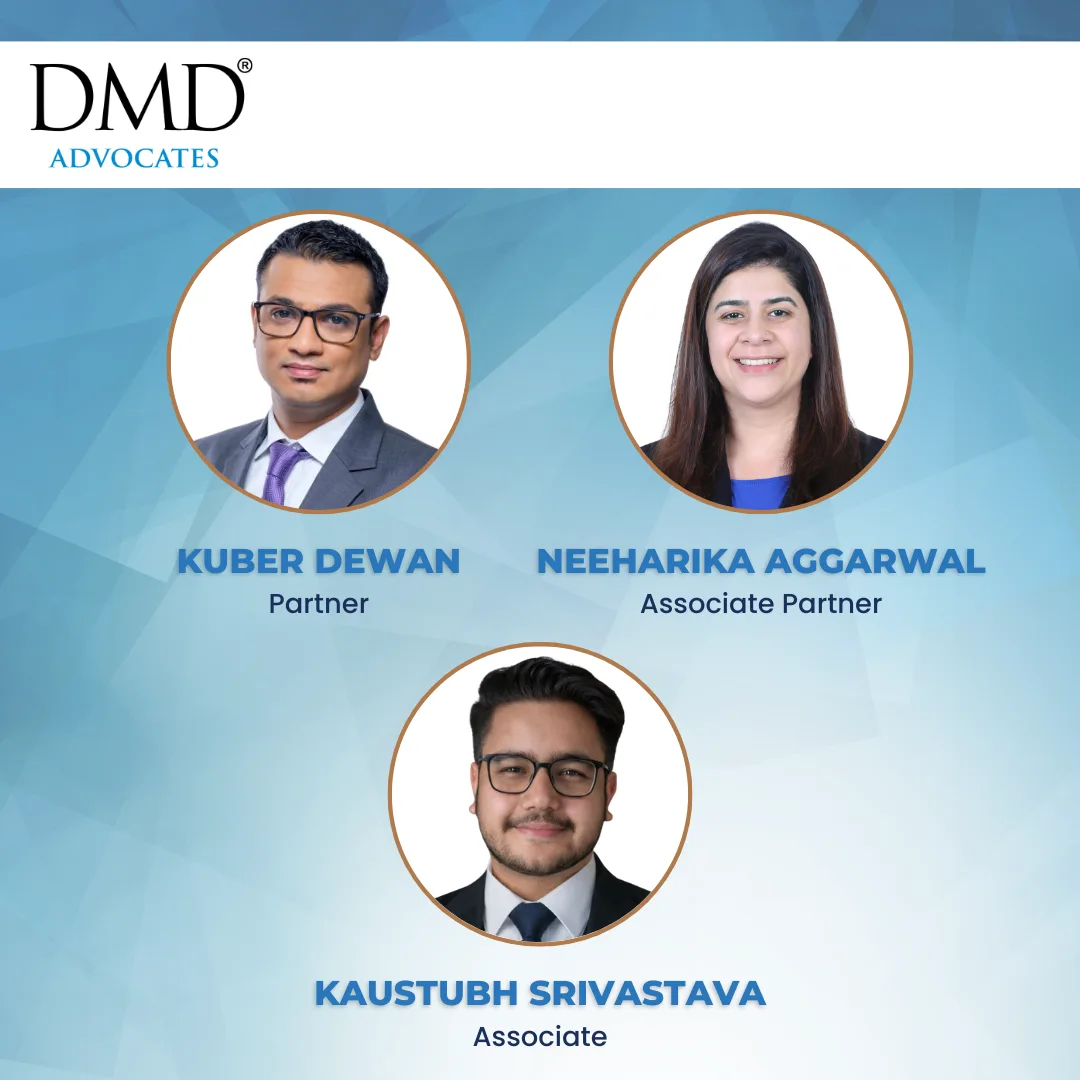
Mr. Gopal Jain (Senior Advocate) along with Kuber Dewan (Litigation Partner), Neeharika Aggarwal (Associate Partner) and Kaustubh Srivastava (Associate) appeared on behalf of Respondent Nos. 2 to 4.

DMD Advocates Successfully Represented the Group of Majority Shareholders of Neelpadam Builders Private Limited before the National Company Law Tribunal, New Delhi Bench

DMD Advocates successfully represented the group of majority shareholder respondents of Neelpadam Builders Private Limited (Respondents) in Company Petition No. 04/(ND)/2014 before the National Company Law Tribunal, New Delhi Bench, in a matter involving allegations of oppression and mismanagement, dilution of shareholding, and challenges to various corporate actions.

Respondents argued that the petition was not maintainable in law, as the statutory threshold under Section 399 of the Companies Act, 1956, was not satisfied, and that the claims were, in any event, barred by limitation, the impugned events having occurred several years prior to the filing of the petition. It was further submitted that the corporate actions complained of were lawful, taken in accordance with statutory provisions, and did not constitute oppression or mismanagement.

The Tribunal declined to grant the reliefs sought by the Petitioners and disposed of the petition.

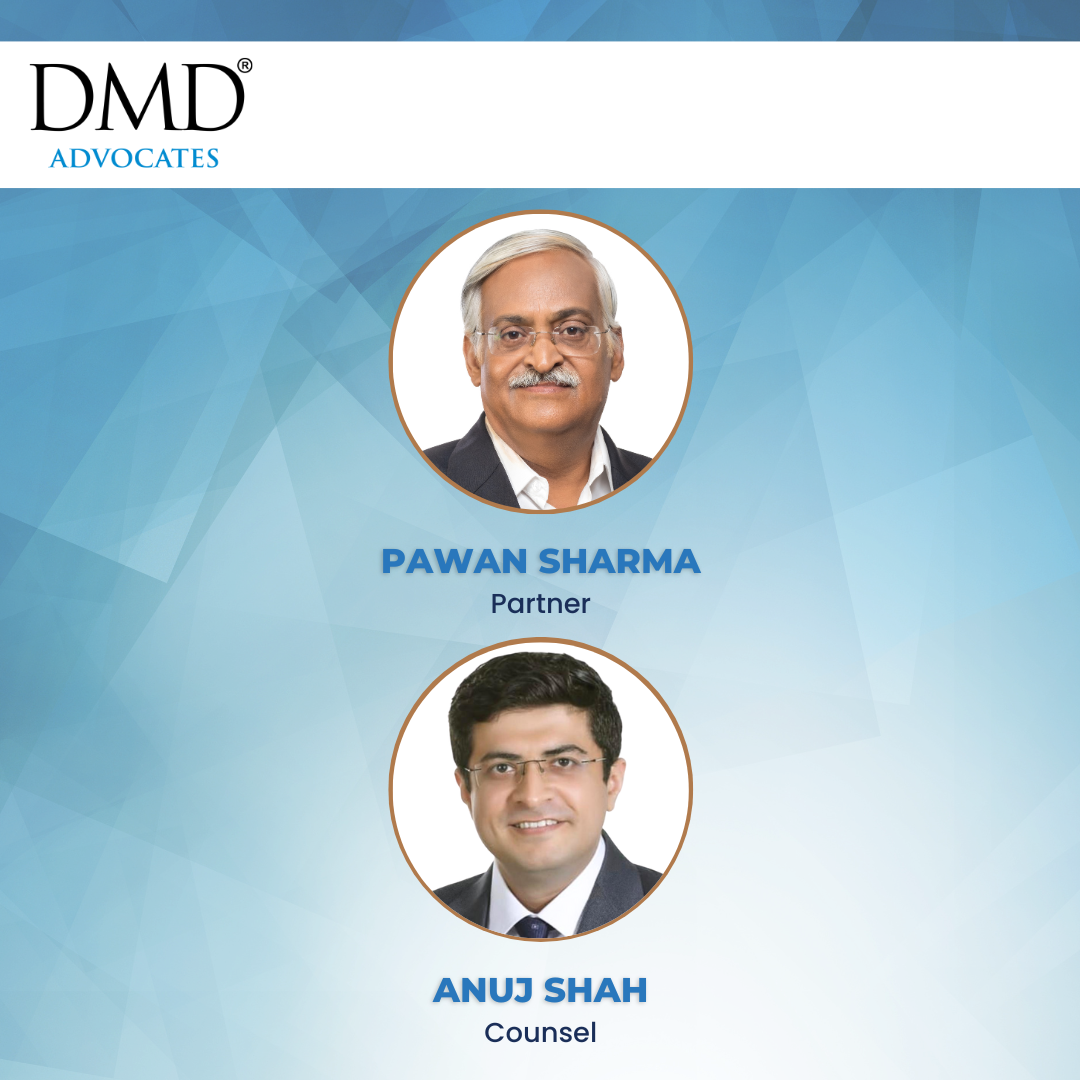
The Respondents were represented by Partner Pawan Sharma, along with Counsel Anuj Shah.

NCLAT Reiterates Due Process in Excluding Creditors from CoC, Expunges NCLT Observations

The Hon’ble National Company Law Appellate Tribunal (NCLAT), vide its judgment dated January 22, 2026, has allowed the appeal filed by Appellant (Financial Creditor) seeking expungement of certain observations made by the Ld. National Company Law Tribunal (NCLT), Ahmedabad, against the Appellant and its associate companies.

NCLAT held that the NCLT’s observations questioning the Appellant’s inclusion in the Committee of Creditors, on the premise that the Appellant was allegedly subject to enforcement proceedings, were unsupported by any material on record. The NCLAT noted that no evidence of any Enforcement Directorate proceedings against the Appellant had been placed before the NCLT.

NCLAT emphasised that exclusion of a creditor from the Committee of Creditors is a serious matter and held that such findings cannot be recorded without evidence or without affording the affected party an opportunity of hearing. On this basis, the NCLAT expunged the impugned observations in their entirety, restoring clarity on the Appellant’s status and reiterating the need for factual precision and procedural fairness in insolvency proceedings.

Our Partner, Kuber Dewan, along with Neeharika Aggarwal, Associate Partner, and Kaustubh Srivastava, Associate, appeared on behalf of the Appellant.

Read More: https://ibclaw.in/jogihali-wind-energy-pvt-ltd-vs-yogesh-mehra-and-ors-nclat-new-delhi/

Second Round of Reassessment Proceedings Quashed by Hon’ble Delhi High Court in the Case of Radhika Roy and Prannoy Roy

The Hon’ble Delhi High Court has allowed the writ petitions filed by Radhika Roy and Prannoy Roy, challenging the initiation of reassessment proceedings under Section 148 of the Income-tax Act, 1961, in relation to interest-free loans received from RRPR Holdings Private Limited. The Court has quashed the impugned notices and all consequential orders and proceedings arising therefrom.

It was argued that the said transaction had already been the subject matter of the original reassessment proceedings, during which true and complete disclosure of all relevant details was made by the assessees. In light of this, the Assessing Officer (AO) did not make any disallowance in the original proceedings. It was further contended that a mere change of opinion on the part of the AO cannot constitute a valid basis for reopening the assessment when all material facts had been duly disclosed by the assessee.

The Hon’ble Delhi High Court has held that no new facts had come to the notice of the AO or the assessee, and that the initiation of reassessment proceedings on the allegation that the petitioner had failed to truly and fully disclose all material facts is itself bad in law. The High Court further held that subjecting the petitioner to reassessment proceedings for a second time, for the selfsame transaction and practically on the same issue, is arbitrary and without jurisdiction. The Court observed that the actions of the respondents fall foul of the fundamental and constitutional rights guaranteed under Articles 14, 19(1)(g), and 300A of the Constitution of India.

While allowing the instant writ petitions, the Court observed that no amount of costs could be considered adequate in such cases and accordingly imposed a token cost of INR 1,00,000 to be paid by the revenue to each of the petitioners.

The Petitioners (Radhika Roy and Prannoy Roy) were represented by Senior Advocate Sachit Jolly, along with DMD advocates led by Viyushti Agarwal, Devansh Jain, and Sarthak Abrol.

NCLT Upheld the Petitoiners’ Case and Found Clear Acts of Oppression and Mismanagement Within the Meaning of Sections 397 and 398 of the Companies Act, 1956

On December 18, 2025, DMD Advocates successfully represented a group of majority shareholder Petitoiners of Neelpadam Builders Private Limited in a highly contested oppression and mismanagement proceeding instituted under Sections 397, 398 of the Companies Act, 1956, arising out of a protracted shareholder and control dispute in a closely held real estate company. The proceedings involved serious allegations that minority shareholders, by abusing the ROC e-filing system, filed forged and backdated statutory forms, illegally reconstituted the Board of Directors, enhanced the authorised share capital and carried out sham allotments of shares to dilute the majority shareholding. It was further alleged that persons who had ceased to be directors under Section 283(1)(g) of the Companies Act, 1956, proceeded to execute multiple sale deeds of valuable company properties without authority, supported by circular movement of funds and fabricated resignations of the majority promoters. The matter was heavily contested on facts and law, with jurisdictional objections, allegations of forgery and challenges to the Tribunal’s powers, alongside parallel civil and criminal proceedings.

By a detailed and reasoned judgment, the NCLT upheld the Petitioners’ case and found clear acts of oppression and mismanagement within the meaning of Sections 397 and 398 of the Companies Act, 1956. The Tribunal rejected the defence that the disputes were purely civil in nature and affirmed its wide remedial jurisdiction under Sections 402 and 403 of the Act to grant effective and consequential reliefs, including undoing the effects of an illegally constituted Board and invalid corporate actions. The NCLT held that the impugned Board appointments, share capital enhancement, share allotments and related statutory filings were vitiated by illegality and lack of authority and that the alleged resignations of the majority shareholders were not proved.

The Petitioners were represented by Partner Pawan Sharma along with Counsel Anuj Shah.

Income Tax Department Withdraws INR 8,500 Crore Transfer Pricing Case Against Vodafone Before Supreme Court

The Income Tax Department has withdrawn its long-pending INR 8500 crore transfer pricing appeal against Vodafone India Services Pvt. Ltd., bringing an end to litigation that has been ongoing since 2016 in the Supreme Court. The withdrawal was permitted by the Supreme Court after the Department filed an application seeking withdrawal of the appeal.

The dispute arose from FY 2007–08 following Vodafone’s sale of its Ahmedabad-based call centre business, formerly known as 3 Global Services Private Limited, to Hutchison Whampoa Properties (India) Limited as part of an internal restructuring. The department alleged that the transaction involved the transfer of call options and intangible rights of commercial value to a related entity, qualifying it as an international transaction under Indian transfer pricing rules. On this basis, the department sought to add INR 8500 crore to Vodafone’s taxable income, alleging that the sale had not been conducted at an arm’s-length price.

In October 2015, the Bombay High Court ruled in favour of Vodafone, setting aside the ITAT’s order and quashing the tax demand. The Court observed that the transaction was domestic in nature, involving two Indian entities, and lacked any cross-border element necessary to invoke transfer pricing provisions. The Court concluded that the income tax department had overreached by invoking transfer pricing provisions in the absence of a cross-border component.

The Income Tax Department challenged the High Court’s ruling before the Supreme Court in 2016. The appeal, however, remained pending for nearly a decade before being withdrawn.

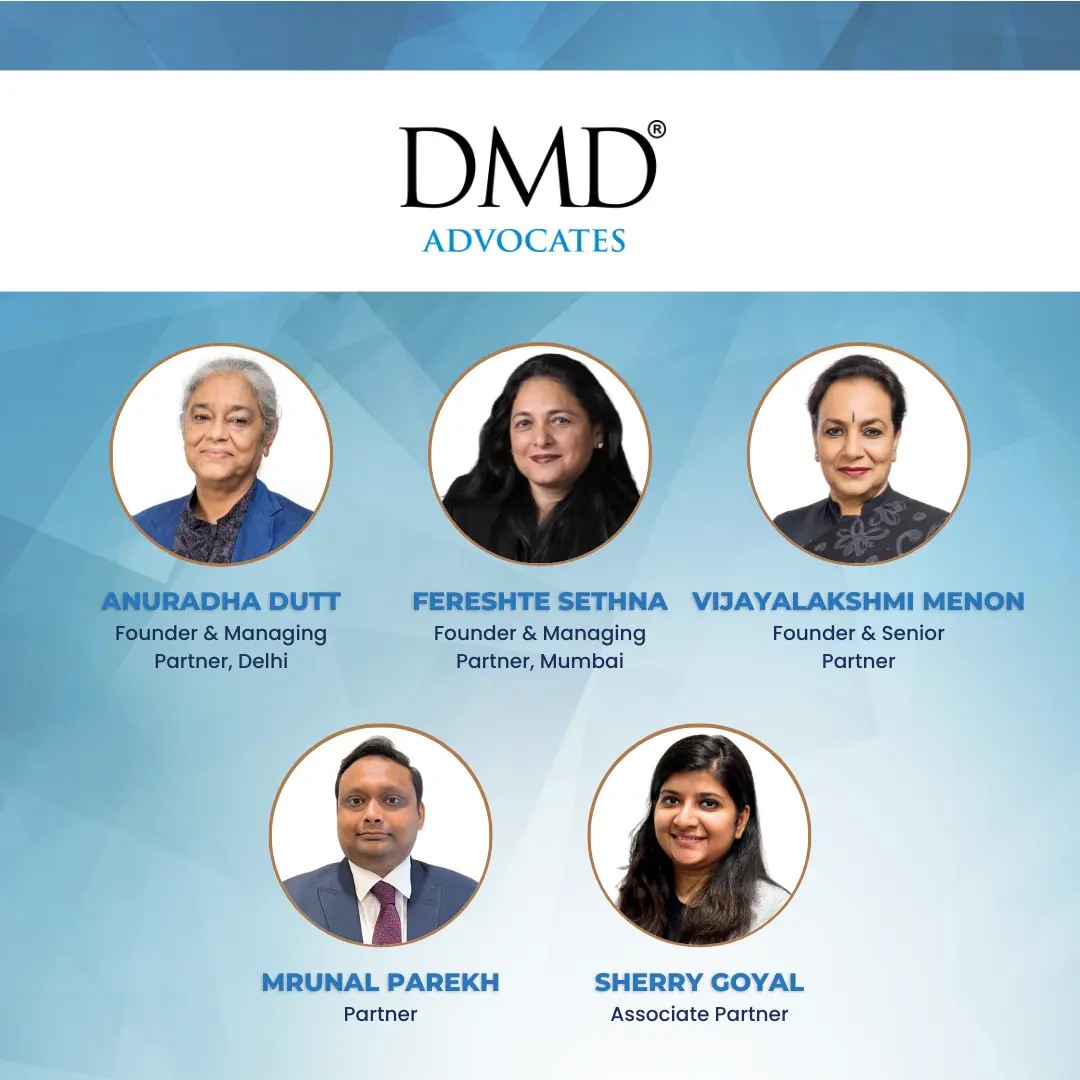
Vodafone India Services Pvt. Ltd. was represented by DMD Advocates, led by Ms. Fereshte Sethna, Founder & Managing Partner, Mumbai, and Ms. Anuradha Dutt, Founder & Managing Partner, Delhi, along with Mrunal Parekh, Partner, Sherry Goyal, Associate Partner, and Associates  Prakalathan Bathey, Mohit Tiwari, Naomi Ting, Sushmita Chauhan, and Tarang Saraogi.

Read More: https://www.livemint.com/news/vodafone-idea-supreme-court-income-tax-agr-dues-telecom-sector-relief-transfer-pricing-india-indian-telecom-news-11762164425517.html

Delhi High Court Allows Petition, Decides Who Manages Delhi International Airport’s Waste in W.P.(C) 17894/ 2024 Delhi International Airport Limited v. Municipal Corporation of Delhi

On September 11, 2025, the Hon’ble Delhi High Court allowed a Writ Petition filed by Delhi International Airport Limited (DIAL), challenging the inclusion of Airport Site (comprising Airport Terminals, Aerocity, etc.) in a tender notice dated November 28, 2024, floated by Municipal Corporation of Delhi (MCD). The MCD, through a tender notice, invited bids for the selection of an agency for the setting up of a materials recovery facility for the management of dry solid waste in the Najafgarh zone on a public-private partnership on a design, build, finance, operate, and transfer basis.

DIAL argued that it is the exclusive custodian and operator of the Indira Gandhi International Airport under the Operation, Management, and Development Agreement signed between DIAL and the Airports Authority of India. DIAL has been entrusted with various exclusive functions at the Airport Site, including solid waste management, which it has been performing since the year 2007. Even the Solid Waste Management Rules, 2016 reflect that as regards the Airport Site, it is DIAL who is exclusively entitled and obligated to undertake solid waste management at the Airport Site.

The MCD argued that it is the sole local body entrusted with the function of solid waste management in Delhi, including at the Airport Site, and that the monetization of the solid waste at the Airport Site is its exclusive right.

The Bench, comprising Hon’ble Ms. Justice Jyoti Singh, rejected MCD’s argument and decided the petition in favour of DIAL.

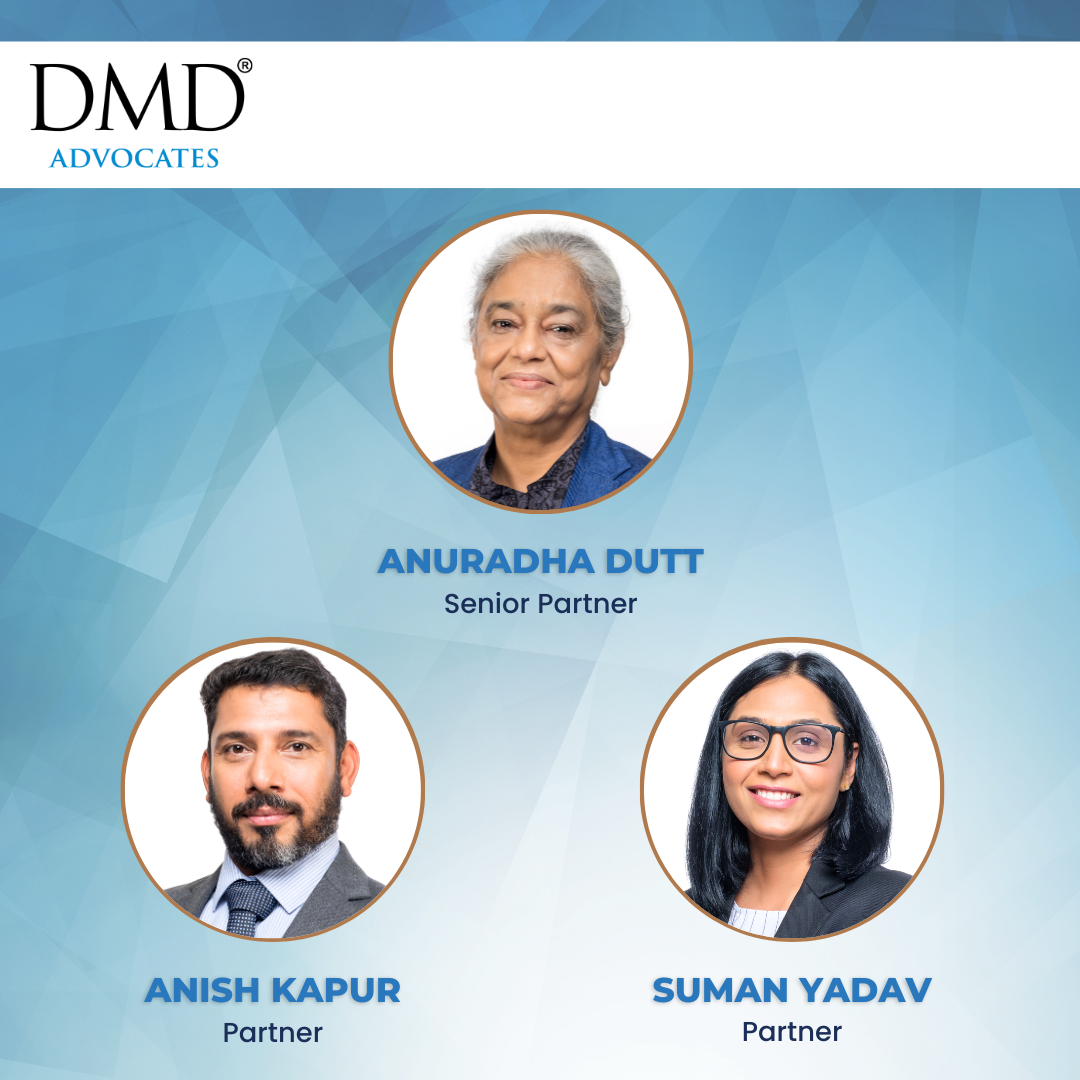
The Petitioner (DIAL) was represented by Rajiv Nayar, Senior Advocate, along with DMD Advocates led by Anuradha Dutt, Anish Kapur, Suman Yadav, Gurudas Khurana, and Raghav Dutt.

Delhi High Court: No Extension of Arbitral Tribunal’s Mandate Under Section 29A Once Award Is Pronounced

In this case, the Hon’ble Delhi High Court addresses whether a petition under Section 29A of the Arbitration and Conciliation Act, 1996, seeking extension of the mandate of an arbitral tribunal, can be entertained after the arbitral award has already been delivered. The petitioner relied on earlier Delhi High Court decisions, particularly Chandok Machineries v. S.N. Sunderson & Co., to argue that the court could extend the tribunal’s mandate even after the award had been made. However, the respondent argued, and the court agreed, that later judgments, especially the Supreme Court’s ruling in Rohan Builders (India) (P) Ltd. v. Berger Paints India Ltd., and subsequent Delhi High Court Judgements like National Skill Development Corpn. v. Best First Step Education (P) Ltd., 2024, has clarified that such an application is maintainable only if the arbitral proceedings are pending, i.e, before the award is passed.

The court held that once an award is pronounced, the arbitral tribunal becomes functus officio, and there is no scope for retrospective validation of the tribunal’s mandate. The judgment distinguishes earlier views and emphasizes that Section 29A’s mechanism is intended to ensure the timely completion of arbitral proceedings, preventing parties from seeking an extension after seeing the outcome of an award. In this specific case, as the petitioner waited until after the award was delivered (and even after a Section 34 challenge was filed), the petition was found to be belated and impermissible. Thus, the court dismissed the petition for extension of the arbitral tribunal’s mandate after the pronouncement of the award.

Oyo Apartments Investments LLP was represented by Advocate Dr. Amit George and DMD Advocates led by Chaitanya Kaushik, Avinash K Singh, Saurabh Pal, Seema Mehta, Vidhi Uppal, and Dushyant Kaul.

Supreme Court Rejects Zostel’s Plea in OYO Arbitration Dispute

The Hon’ble Supreme Court has refused to entertain Zostel’s special leave petition challenging the Delhi High Court’s ruling in the arbitration dispute between the parties.

The dispute originated after Oyo proposed to acquire Zostel’s hotel business, under which Zostel’s shareholders were to receive upto 7% equity stake in OYO. The arrangement was outlined in a largely non-binding term sheet, except for clauses relating to confidentiality, expenses, approvals, exclusivity, governing law, and arbitration, and contemplated subsequent steps including execution of definitive agreements.

An arbitral award dated March 6, 2021, in favour of Zostel was challenged by OYO under Section 34 of the Arbitration and Conciliation Act, 1996. The Delhi High Court subsequently set aside the award, inter alia, holding that granting specific performance in the absence of agreement on essential terms conflicted with the public policy of India.

In the SLP filed by Zostel, a Bench comprising Justices Sanjay Kumar and Satish Chandra Sharma observed that Zostel ought to have pursued the statutory appellate remedy under Section 37 of the Arbitration and Conciliation Act rather than approaching the Supreme Court under Article 136 of the Constitution.

OYO was represented by Senior Advocate Mukul Rohatgi and DMD Advocates, led by Anuradha Dutt, Lynn Pereira, Suman Yadav, Haaris Fazili, Kunal Dutt, Raghav Dutt, Avinash Singh, Keshav Sehgal, and Prachi Pandey.

Read More: https://www.barandbench.com/news/litigation/supreme-court-refuses-to-entertain-zostel-plea-against-delhi-high-court-ruling-in-oyo-dispute

GOI’s Appeal Devoid of Merits: Delhi High Court

Vedanta Limited (Vedanta) and Cairn Energy Hydrocarbons Limited (CEHL) secured a significant favourable ruling in an appeal under Section 37 of the Arbitration and Conciliation Act, 1996, filed by the Government of India (GOI) before the Hon’ble Delhi High Court. The Section 37 appeal challenged an interim order under Section 17 of the Act passed by an arbitral tribunal in an international commercial arbitration, relating to recovery of costs under a Production Sharing Contract (PSC) for the Rajasthan Oil Block.

The GOI had filed the Section 17 application to restrain Vedanta and CEHL from rendering accounts in accordance with the Final Partial Award (FPA) dated 08.12.2023 and make adjustments of approx. USD 534 million. The arbitral tribunal’s interim order dated 29.04.2024 rejected the GOI’s application under Section 17 of the Act. The GOI challenged the said interim order dated 29.04.2024 and sought reversal of the adjustments made and also sought restraint on future adjustments by Vedanta and CEHL.

The Hon’ble Delhi High Court has dismissed the GOI’s appeal against the arbitral tribunal’s interim order as devoid of merits, holding that within its limited jurisdiction under Section 37 of the Act, the Court found no reasons to interfere with the well-reasoned order passed by the arbitral tribunal.

Vedanta Limited and CEHL were represented by Mr. Harish Salve, Senior Advocate and DMD Advocates (led by Ms. Anuradha Dutt, Mr. Anish Kapur, Mr. Chaitanya Kaushik, Ms. Priyanka MP, Mr. Kunal Dutt, Mr. Raghav Dutt, Ms. Payal Nayak, and Mr. Arkaprava Dass).

Delhi High Court Sets Aside Arbitral Award Entitling Zostel to 7% Stake in OYO

The Delhi High Court set aside an arbitral award that had held that Oravel Stays (parent company of OYO) breached a binding agreement with Zostel Hospitality (owner of ZO Rooms) to transfer up to 7 percent of OYO’s shares to ZO Rooms’ shareholders. The tribunal had ruled Zostel was entitled to take appropriate proceedings for Specific Performance and execution of the Definitive Agreements. Zostel later sought to restrain OYO from altering its shareholding, including through its proposed IPO, under Section 9 of the Arbitration and Conciliation Act, 1996, but the Court dismissed the plea. The High Court subsequently set aside the award, inter alia, holding that granting specific performance without agreement on essential terms conflicted with the public policy of India. DMD represented OYO.

OYO was represented by Anuradha Dutt, Lynn Pereira, Suman Yadav, Haaris Fazili, Kunal Dutt, Raghav Dutt, Avinash Singh, and Prachi Pandey.

Read more: https://www.barandbench.com/news/litigation/delhi-high-court-sets-aside-arbitral-award-entitling-zostel-to-7-stake-in-oyo

Gulmarg Fashion Show: Srinagar Court Dismisses Obscenity Case Against Shivan and Narresh

In a recent ruling, a Special Mobile Magistrate’s Court (“Court”) dismissed a criminal complaint filed against renowned fashion brand Shivan and Narresh and others, who were accused of hosting an obscene and offensive fashion show in Gulmarg during the holy month of Ramadan. The complainant alleged that the event, which featured swimwear and public alcohol consumption, offended religious sentiments.

The Court after hearing detailed arguments on the ingredients of Section 296 of the BNS Act 2023, applied the ‘Contemporary Community Standard’ test laid down by the Supreme Court to assess the charge of obscenity, and found that the participation of models in swimwear, in the context of a fashion show, did not attract the ingredients of the alleged offence.

Our Counsels, Kunal Dutt and Saurabh Singh Ahluwalia, along with Advocates Vikas Malik, Areeba Ahad, and Mushtaq Ahmad, represented Shivan & Narresh.

Read more: https://www.barandbench.com/news/litigation/gulmarg-fashion-show-srinagar-court-dismisses-obscenity-case-against-designers-shivan-and-narresh-elle

GE India Gets Stay on Rs.335 Crore SCN in challenge to Constitutionality of 70:30 Deeming Fiction

The Karnataka High Court has stayed an INR 335 crore Show Cause Notice (SCN) issued to GE India (Petitioner) in challenge to the constitutional validity of the 70:30 deemed valuation mechanism prescribed under Notification No. 24/2018-Central Tax (Rate), dated December 12, 2018. The notification mandates a 70:30 ratio deemed fiction for the supply of goods and services by adding an Explanation to Serial No. 234 of Notification No. 1/2017-Central Tax (Rate), dated June 28, 2017.

The Petitioner has challenged Notification No. 24/2018, along with the corresponding notification issued by the Karnataka Government, as ultra vires Section 15 of the CGST Act and violative of Articles 14, 19(1)(g), and 265 of the Constitution of India.

GE India, engaged in the supply of windmills, is facing an SCN with an aggregate demand of INR 335 crore across multiple states.

The matter is before Justice S.R. Krishna Kumar.

Advocates Tushar Jarwal, Rahul Sateeja, and Vikrant A. Maheshwari are appearing for the Petitioner.

GE T&D Approaches AP HC Challenging SCN Issued by Audit Officer, gets Interim Relief

Andhra Pradesh High Court granted an interim stay to GE T&D (Petitioner) on show cause notice issued by the audit officer. The Petitioner challenged the assignment of function of ‘proper officer’ to audit officer by the circulars issued by the Central Board of Indirect Taxes and Customs (CBIC). Thus, the Petitioner has challenged the three circulars issued by CBIC i.e. Circular No. 3/3/2017-GST dated July 05, 2017, Circular No. 31/05/2018-GST dated February 09, 2018, and Circular No. 169/01/2022-GST dated March 12, 2022.

The challenge is based on the ground that the Circulars are ultra vires the CGST Act and violative of Articles 14, 19(1)(g) and 265 of the Constitution of India. The High Court was pleased to grant interim relief until October 18, 2024, and put the matter for hearing on October 01, 2024.

The matter is before the Division Bench of Justice R. Raghunandan Rao and Justice Harinath N.

Advocates Tushar Jarwal, Rahul Sateeja, and Vikrant A. Maheshwari are appearing for the Petitioner.

DMD Advised and Represented OYO Apartments Investments LLP

OYO Apartments Investments LLP v Desire Infrabuild Pvt. Ltd. | O.M.P (COMM.) NO. 343 OF 2024). DHC

Delhi High Court: Grants stay of the effect and operation of the Impugned Award dated April 6, 2024, without seeking deposit of monies by Petitioner, as required under Section 36(3) of the Arbitration and Conciliation Act, 1996 (the “Act”), and Order XLI Rule 5(3) of the Code of Civil Procedure, 1908, on the prima facie view that the award was rendered after the mandate of the learned Arbitrator had already expired. The award was challenged on the grounds inter alia that the Arbitral Award had been passed after the mandate of the arbitrator had expired.

In the arbitration proceedings between the parties, the pleadings stood completed on July 15, 2022, as per Section 23(4) of the Arbitration and Conciliation Act, 1996, since the Petitioner filed its Statement of Defence on July 15, 2022. As per Section 29A of the Act, the Arbitrator has a period of 12 months from the date of completion of pleadings to pass the award, which was set to expire on July 14, 2023. However, the parties agreed to extend the mandate of the learned Tribunal by an additional 6 months, as permitted under Section 29A(3) of the Act, thereby extending the mandate until January 14, 2024. Despite the Arbitrator’s mandate expiring on January 15, 2024, rendering the Tribunal functus officio, the impugned award was passed on April 06, 2024.

Notably, no application was filed before the Hon’ble Delhi High Court to seek an extension of the mandate of the Arbitrator.

The Hon’ble Delhi High Court, on the prima facie view that the Arbitral Tribunal was functus officio on the date the Impugned Award was passed, was pleased to stay the operation and effect of the impugned award.

Advocates for the Petitioner: Senior Advocate Gopal Jain, along with Advocates Chaitanya Kaushik, Junaid Aamir, and Avinash Singh.

Vedanta Limited Vs Securities and Exchange Board of India (Securities Appellate Tribunal)

In a significant respite to Vedanta Limited (“Vedanta”), the Securities Appellate Tribunal has allowed the Appeal filed by Vedanta against the order passed by the Securities and Exchange Board of India (“SEBI”) and has set aside the penalty of Rs 5.25 crores imposed upon Vedanta and Rs 15 lakhs on three officers of the Company.

SEBI had alleged that the public announcement by Cairn India Limited (“Cairn”) (now merged with Vedanta) for buying back its shares was a misleading announcement designed to influence the decision of the investors and induce them to trade in the shares of Cairn which was reflected in the increased trading volume after the buyback announcement. On that basis, SEBI alleged that Cairn by making the public announcement of buyback without any intent to fulfil it, had acted fraudulently and violated the provisions of the SEBI (PFUTP) Regulations and the SEBI Buyback Regulations.

Cairn had made the Public announcement on January 14, 2014 for buyback of its 17,08,95,522 equity shares of ₹10/- each at a maximum price of ₹335/- per share for a maximum amount of ₹5,725 crores in accordance with SEBI Buyback Regulations. The buyback offer was scheduled to open on January 23, 2014 and close on July 22, 2014.

Cairn was able to buy back 3.67 crores shares, after spending a sum of Rs 1,225 crores, which represented 21.48% of the total shares earmarked for the buyback as against the requirement of buying back a minimum of 50% of the shares earmarked for the buyback.

Vedanta argued that Cairn made all attempts to complete the buyback and had placed purchase orders on the stock exchanges almost on the daily basis but the same could not be completed as market price of the shares remained higher than maximum buyback price during the majority of the 6 months buy back period, which was beyond control of Cairn.

Vedanta relied on SEBI’s own investigation report wherein SEBI had come to the conclusion that no major impact on price and volume was observed on the basis of the corporate announcement made by Cairn and argued that thus allegation of fraud could not have been made against Cairn.

Mr. Somasekhar Sundaresan, Advocate instructed by DMD Advocates, led by Mr. Pawan Sharma, Advocate and Mr. Rishabh Sharma, Advocate appeared for Vedanta Limited.

Mr. Shiraz R, Senior Advocate instructed by a team led by Mr. Manish Chhangani, Advocate appeared for Securities and Exchange Board of India.

The matter has also been reported by:

TaxGuru – https://taxguru.in/sebi/breather-vedantas-cairn-alleged-buyback-fraud-sat-reverses-sebis-order.html
HC: a batch of Writ Petitions seeking relief against a private Bank in cases where the Builder/Developer has failed to deliver possession, are not maintainable

The Division Bench of the Hon’ble Delhi High Court has recently, by way of a Judgment delivered on 10 August 2023, held that a batch of Writ Petitions seeking relief against a private Bank in cases where the Builder/Developer has failed to deliver possession, are not maintainable.

The Hon’ble Court held that since the rights claimed by the Petitioners flowed from private contracts and each of the cases also involved complex and disputed questions of fact, the High Court is not the appropriate forum to adjudicate the disputes. Additionally, it was observed that the Petitioners were not without recourse, as they had other avenues to pursue their grievances before various fora.

Our Litigation Partner, Kuber Dewan, along with Neeharika Aggarwal, Counsel and Kaustubh Srivastava, Associate, appeared on behalf of the Respondent Bank.

HC: Writ Petitions filed seeking relief against Banks and other Financial Institutions in cases where the Builder/Developer has failed to deliver possession, are not entertainable

The Hon’ble Delhi High Court has recently, by way of a judgment delivered on 14 March 2023, held that Writ Petitions filed seeking relief against Banks and other Financial Institutions in cases where the Builder/Developer has failed to deliver possession, are not entertainable.

While dismissing the Writ Petitions, the Learned Single Judge made a distinction between “maintainability” and “entertainability” of the writ petitions and observed that these two were distinct legal concepts.

Reiterating the well settled principle that rights emanating from private contracts cannot be enforced by way of a Writ Petition, the Court held that since the rights claimed by the Petitioners flowed from private contracts and each of the cases also involved complex and disputed question of facts, the Court would not entertain the Petitions.

It was also observed that not only did the rights of the Petitioners flow from private contracts, but also, the parties were not remediless, as alternative remedies before various fora are available to the Petitioners to address such grievances, and any interference by the Writ Court would amount to usurpation of powers vested with the respective fora.

Therefore, in view of the availability of alternative remedies available to the Petitioners, the Hon’ble Delhi High Court did not find it appropriate to entertain these Writ Petitions.

Our Litigation Partner, Kuber Dewan, along with Neeharika Aggarwal, Principal Associate; Trisha Raychaudhuri, Senior Associate; and Kaustubh Srivastava, Associate, represented one of the Respondent Banks.

HC: 9 years delay ‘woeful’ & ‘inexcusable’; Held Sec.271C penalty show cause notice time barred

HC: 9 years delay ‘woeful’ & ‘inexcusable’; Held Sec.271C penalty show cause notice time barred

In a significant judgment, Delhi High Court held that a show cause notice issued by the Revenue under Section 271C, for imposing penalty, was ‘woefully’ delayed, thus, quashed the show cause notice. The Court further stated that the Revenue’s delay in issuing show cause notice i.e., almost 9 years from end of relevant AY, was inexcusable and remarked that, “even if we were to take an indulgent view of the matter, and give leeway to the respondent/revenue, that the period for commencement of limitation prescribed in terms of the second limb of clause (c) of sub-section (1) of Section 275 of the Act would commence either from 2013 or 2014, there is a period of unexplained substantial delay, as the SCN, concededly, was issued only on 09.11.2017.” The ruling was delivered by the Division Bench of the Delhi High Court.

Our Partner Sachit Jolly, along with Rohit Garg (Associate Partner), Soumya Singh (Senior Associate), Disha Jham (Senior Associate) and Sohum Dua (Associate) appeared for the Assessee.

Sachit Jolly was appointed as Amicus Curiae

Our Partner Sachit Jolly was appointed as Amicus Curiae to assist the Delhi High Court in a matter dealing with post-search assessments. Agreeing with the submissions made by Mr. Jolly, the Court held that the ratio of Kabul Chawla decision was not diluted by the Dayawanti ruling. The High Court also appreciated the assistance rendered by Mr. Jolly.

Delhi HC dismisses Revenue’s appeal on validity of post-search assessments, made in absence of incriminating material, as devoid of substantial questions of law. Revenue relied upon coordinate bench ruling in Dayawanti to submit that a statement recorded under Section 132(4) during the search operation can be treated as incriminating material based on which an addition can be sustained. Amicus Curiae submitted that there were no abated assessments, thus, no addition could be made without any incriminating material and there was, in fact, neither any fresh information/material unearthed during the search operation nor any statement under Section 132(4) was recorded which could be classified as incriminating material. HC observes that coordinate bench ruling in Dayawanti relied upon by the Revenue was in peculiar facts and does not dilute Kabul Chawla’s ratio. With regard to Punjab & Haryana HC and SC rulings in Assessee’s case relied upon by the Revenue, HC holds that SC directions were given after Revenue conducted search; thus, they cannot form incriminating material found during the search.

Partner Sachit Jolly appeared for the Assessee

The High Court of Punjab & Haryana: No change-in-law relating to Intermediary taxation; Genpact BPO not an “Intermediary”; Applies ‘consistency principle’. The Hon’ble Court restored the order-in-original granting refund in favour of the assessee and directed that the benefit of this order shall enure to the assessee for grant of subsequent refunds as well.

Our Partner Sachit Jolly appeared for the Assessee.

© DMD Advocates, 2023-26

Designed and maintained by Grapdes

Disclaimer

This website has been designed only for the purpose of dissemination of basic information on DMD Advocates and is not meant for advertising or for soliciting work by DMD Advocates. The information provided through this website should not be construed as legal advice and is not intended to create any attorney-client relationship between DMD Advocates and the reader. Readers are requested to seek formal legal advice prior to acting upon any information provided herein.

I Agree